
What We Don't Know About the Buddha's Life
- Jul 17, 2025
- 2 min read

When the Buddha statue we had ordered online arrived with dents, my wife and I decided not to return it. It's appropriate that a Buddha statue not be perfect.
I thought about the statue with its flaws as I answered a question today about whether the Buddha "actually" lived. Here's my answer:
There were no contemporary written accounts of his life and teachings. What he taught was memorized and passed through generations before some of his teachings were translated into Pali and transcribed. It took even longer for more of his teachings to be translated and transcribed into Sanskrit. That's why some of the transcribed teachings are called suttas (Pali) and some sutras (Sanskrit).
The Buddha spoke neither of those languages. Pali didn't exist during his lifetime, and Sanskrit was the language used by the Brahmins, so the Buddha refused to use it (according to the accounts written later).
Then those Suttas and Sutras were translated into Tibetan, Chinese, Japanese, etc., and eventually English, Spanish, German, etc. The cultural and spiritual leanings of the locally active Buddhist school at the time influenced each translation, resulting in considerable differences among them.
Several folk stories that were not written during his lifetime tell of the prince who left the palace after encountering old age, illness, and death (not the first such story). Although his teachings mention few details of the Buddha's life, some details support the story. Other folk stories detail different aspects of his life.
The stories of Jesus' life and the Buddha's are similar. Neither can be confirmed with certainty. As a Buddhist, I value and even venerate the Buddha story without caring whether it "actually" happened. That the story has strength and contributes to ending suffering is all that matters to me. I'm not a Christian, but I'd say something similar about Jesus.
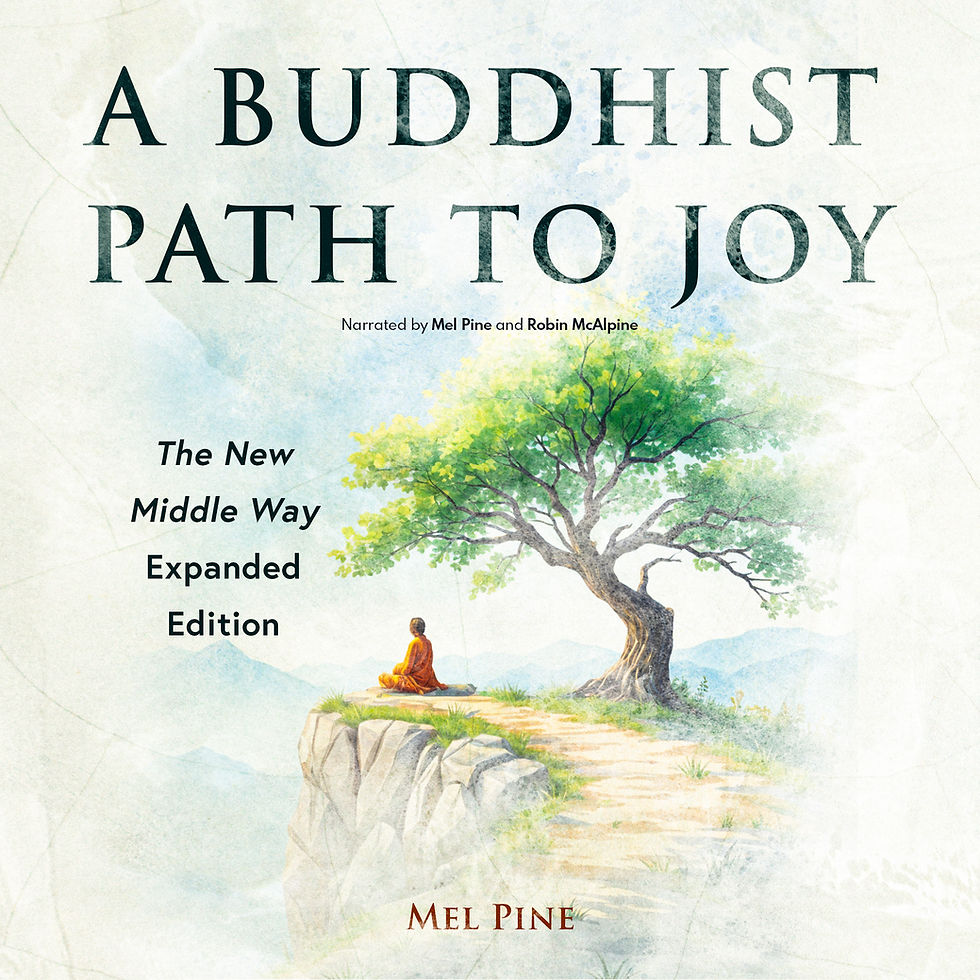
Finding a fresh approach to Buddhism can make all the difference. Mel Pine’s The New Middle Way is a step up from more traditional guides: Instead of sticking solely to doctrine, you get a blend of core teachings—like the Four Noble Truths and Eightfold Path—woven together with meditation exercises, personal stories, and thoughtful prompts. Through honest reflections on loss, joy, and meaning, this book helps you create an even more welcoming path to inner peace and self-understanding.
Check out the reviews on the book's Amazon page. It's available in Kindle, paperback, hardback, and Audible versions.


Comments