
Can Tourism Elevate Women in Thai Buddhism?
- Aug 4, 2025
- 2 min read

The stupa of Mae Chi Kaew Sianglam (1901-1991) is a unique monument in Thai Buddhism, dedicated to a female Buddhist adept who people believe attained enlightenment. As one of Thailand's few stupas for a female monk, it represents women's spiritual potential in Theravada Buddhism. That's an ancient form of Buddhism that's still practiced worldwide but flourishes in Southeast Asia.
The stupa serves as a place for religious tourism, potentially raising awareness about the unequal status of men and women in Thai Buddhism. A recent academic study considers the impact that tourism may have on Asian Theravada practices.
Thai Buddhist monks have high status, are respected, and have access to resources and leadership roles. Women, primarily as nuns, occupy a subordinate role with limited recognition, fewer resources, and no official ordination. Reviving the ordination of women as monks faces vehement opposition. While both men and women can pursue spiritual goals, the opportunities, support, and societal perceptions differ starkly, with men benefiting from a more established and respected role.
Some monastic women leave Thailand to become ordained as monks, but their status may not be recognized on their return.
I searched for a charity helping women monastics in Thailand and couldn't find one. That country stands out for its male-female disparities, but they pervade Asian Buddhism. One charity I can vouch for is the Tibetan Nuns Project. Consider joining my wife and me in supporting it, or find one that speaks to you.
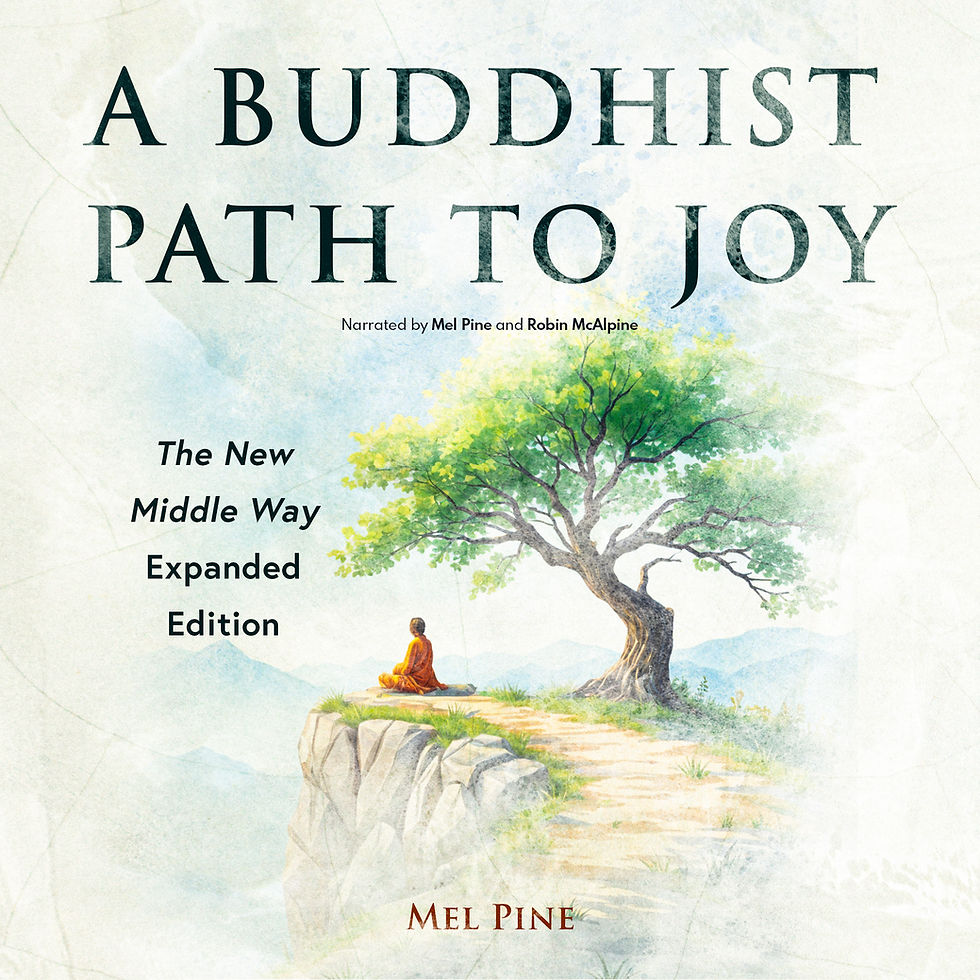
Mel’s book, The New Middle Way: A Buddhist Path Between Secular and Ossified - Enlightenment for Regular Folks, is available from Amazon and Audible.
Receive six free guided meditations and subscribe to Mel’s Awakening for Regular Folks newsletter.
From the Pure Land, Mel's Substack blog, has thousands of readers and subscribers in 39 U.S. states and 29 countries, and the podcast has thousands of listeners in 17 countries.


Comments